
Events you can’t miss
The town’s festivities and traditions reflect a deeply rooted community heritage: every celebration, from Holy Week to the August Fair or the Mosto Festival, is a living expression of identity and local unity. These events become meeting points for residents and visitors alike, who discover in them the true essence of a village full of history and heart.
Holy Week
Palm Sunday
Holy Week in Cartajima begins with the Palm Sunday mass at the Church of Our Lady of the Rosary. When it ends, the locals walk through the village streets carrying olive branches, in a simple yet moving act that marks the start of the celebrations.
Holy Wednesday
In the afternoon, the spotlight is on the little ones. The children take part in a processional parade where they carry a small float with the Cruz del Amor and a reduced image of Our Father Jesus. The girls wear mantillas, and some of the boys accompany the procession playing drums and trumpets.
Holy Thursday
On Thursday afternoon, the first official procession takes place. The image of Our Father Jesus the Nazarene, with His hands bound, walks through the village streets accompanied by the Virgin of Sorrows, in a solemn atmosphere.
Good Friday
During the early hours of the morning, both images go out in procession once again. This time, Our Father Jesus carries the cross, in a representation of the Stations of the Cross.
In the afternoon, one of the most significant moments takes place: the procession of Christ’s Calvary. The images leave the historic centre and travel along nearby rural paths, symbolically recreating the ascent to Calvary.
At midnight, the women of the village lead the Procession of Solitude, carrying the Virgin’s float in a deeply moving and solemn ceremony.
Holy Saturday
During the day, the neighbours gather branches from the countryside to decorate the village and prepare the traditional Huerto. In the early hours of the morning, while a group of men cuts down a poplar tree, other locals work on setting up the Huerto. Around five in the morning, the tree is raised in the centre of the village.
Easter Sunday
In the early hours of Sunday, the traditional “Robo del Niño Jesús” takes place, carrying the image from the church to the Huerto in a joyful, festive atmosphere.
At midday, the Cortesías are held—an event declared of Provincial Tourist Singularity—in which the Child Jesus and the Virgin of the Rosary meet on Calle Ancha, while the village gathers to witness this highly symbolic moment.
After the encounter, a figure representing Judas is placed on the poplar tree, often alluding to a current public figure. This effigy is burned before the procession continues. The day ends with mass and a lively outdoor celebration, bringing Cartajima’s Holy Week to a close.
Romería del Niño Jesús
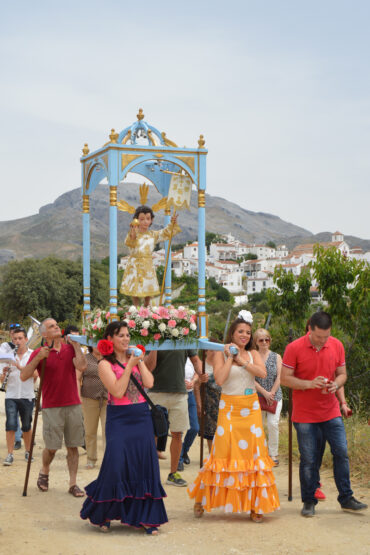
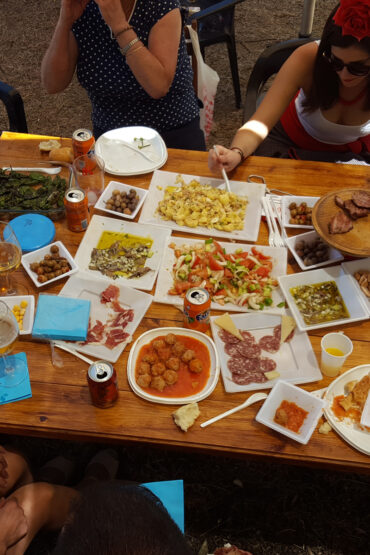
Each spring, the romería del Niño Jesús brings together the people of Cartajima to share a day in the countryside filled with tradition and community spirit. At midday, the image of the Child Jesus is carried from the Church of Our Lady of the Rosary to the El Quince Viewpoint, where attendees make their offerings under the shade of a large chestnut tree. From that moment on, the viewpoint becomes a meeting place for families and friends who enjoy outdoor meals, games and a lively festive atmosphere.
At sunset, the image is brought back to the village in procession, concluding a day marked by participation and togetherness.
This celebration, whose origins date back to the year 2000, was interrupted for a few years but revived in 2009 thanks to the efforts of the Brotherhood of the Child Jesus and the Cartajima Town Hall. Although in its early years it was held at the well-known “Era de Romero,” it is now celebrated at the El Quince Viewpoint, a natural setting with spectacular views of the surrounding landscape.
Patron Saint Festivities and Cultural Week
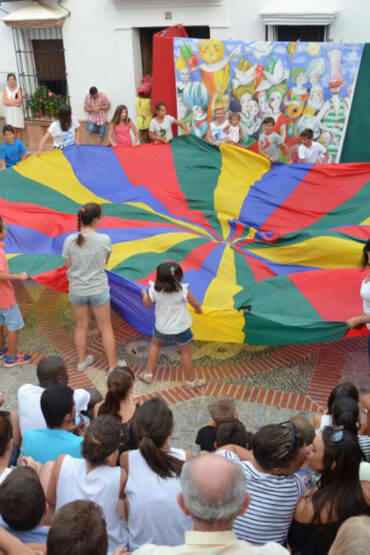
Each August, Cartajima comes alive with the celebration of its Cultural Week and the Patron Saint Festivities in honour of the Virgin of the Rosary. For several weeks, the village offers a full programme of activities designed for all ages: children’s games, competitions, sports, exhibitions, live music, parades, communal meals and open-air dances that continue well into the night.
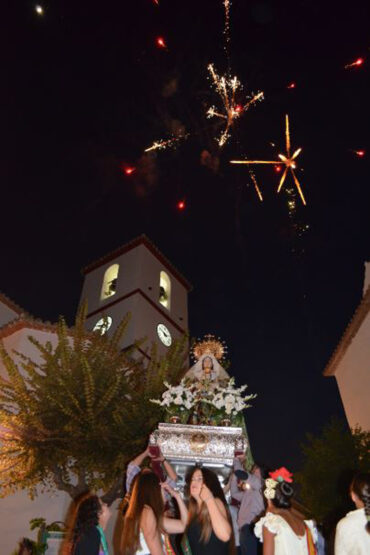
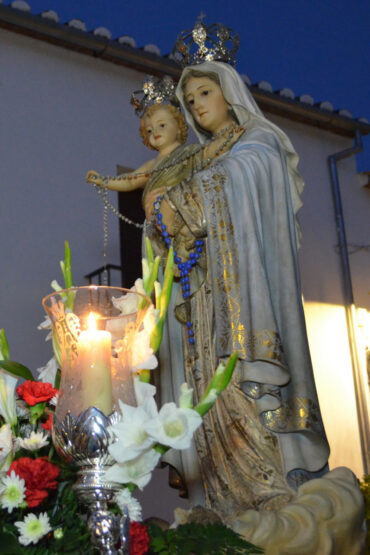
The main day arrives on August 15th, when the image of the patron saint is carried through the streets in a moving procession after the evening mass, accompanied by locals, visitors and the town band.
These festivities stand out for their welcoming and participatory atmosphere, attracting numerous people each year who enjoy several vibrant days of tradition and community life.
Virgin of the Rosary Festival
The festivities in honour of the Virgin of the Rosary begin with a moving mass and the traditional procession through the village streets, accompanied by the town band and local residents. Afterward, the popular open-air festival offers appetisers and live music in a joyful atmosphere.
This celebration, revived in 2007 after decades without being held, keeps alive a tradition lost in the 1960s, when many residents emigrated. To encourage attendance, the main festivities were moved to August, coinciding with the return of Cartajima’s people for the summer holidays.
Autumn, with the chestnut trees colouring the landscape, is the perfect season to discover Cartajima and its spectacular natural surroundings.
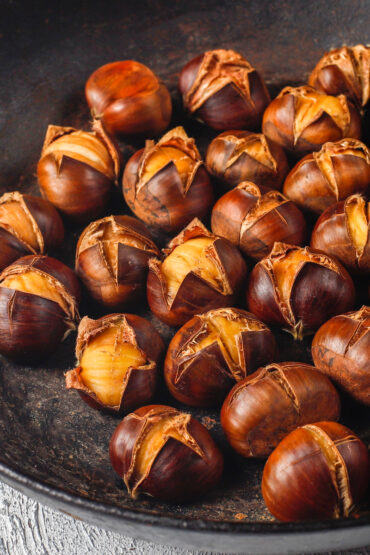
All Saints’ Day
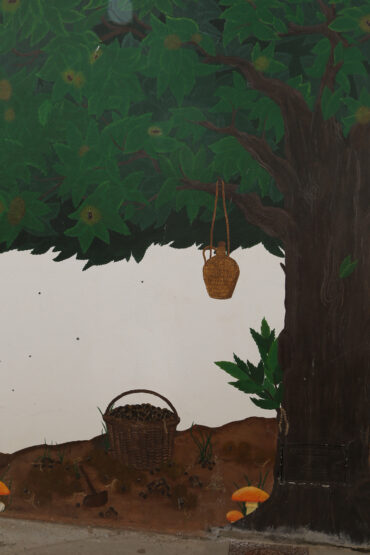
On this holiday, it is traditional for the people of Cartajima to gather and roast chestnuts, which they enjoy accompanied by homemade liqueurs.
Mosto Festival
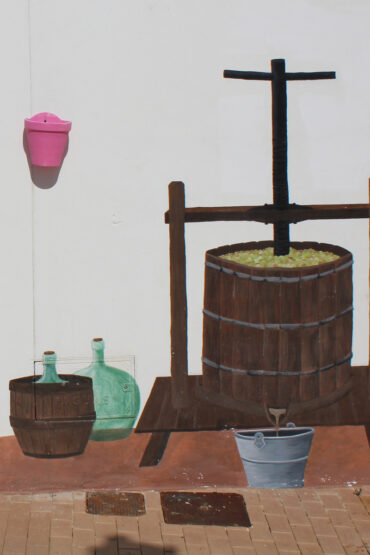
Cartajima’s mosto tasting festival is a contest to determine the best mosto of the season among the village’s winemakers. It is held on the last Saturday of November and has been celebrated since 2006.
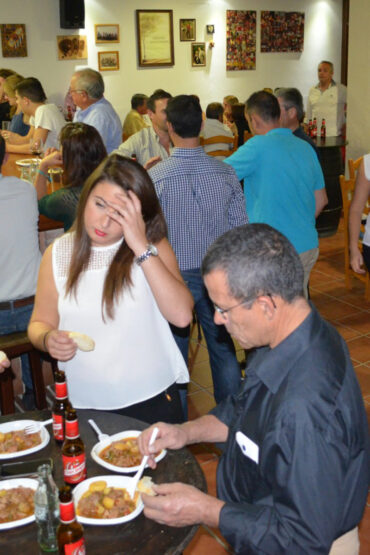
Thanks to its excellent organisation, it has become a key event that attracts visitors eager to enjoy the village, its gastronomy and its wines. More than fifteen locals present their young wines, and a jury evaluates clarity, aroma and flavour to select the best mosto.
The festival begins at midday with wine tasting, accompanied by traditional dishes and artisanal products at the stalls. After lunch, live music keeps the celebration lively until nightfall.
Born from an informal gathering, this event has grown in recognition and is now an ideal opportunity to enjoy tradition and good company—always with responsible consumption.