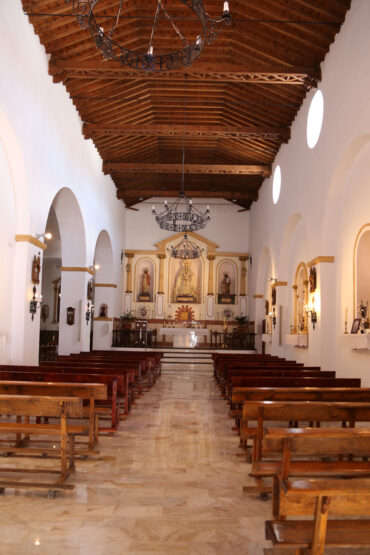
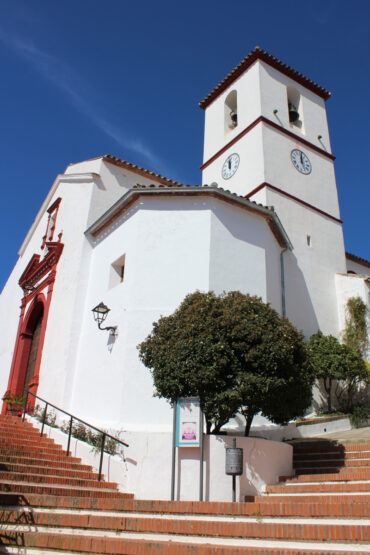
Built in the 16th century and following the Mudejar-Renaissance style, this temple is the main religious building in the municipality.
The Parish Church
It was built at the beginning of the 16th century after the fall of Ronda and the Christian conquest of the Serranía. The temple has undergone major transformations throughout its history, the most recent carried out in the mid-20th century.
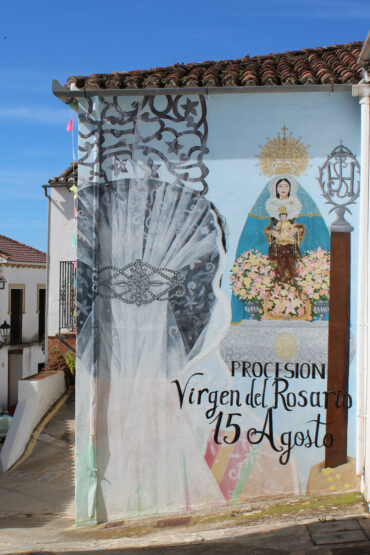
The original church was divided into three naves, of which only one remains, covered with a wooden framework. Inside, the images of the patron saint, Saint Joseph, and the patroness, the Virgin of the Rosary, are preserved. The most popular image is the Child Jesus, placed on one side of the church.
The exterior architecture is striking for its simplicity and for the bell tower, which has three levels and is topped with a pyramidal roof.
ISLAMIC LAYOUT
Cádiz el Chico
Eighteenth-century houses and a distinctive street today recall the prosperous past of this small village.
Cartajima’s Golden Age
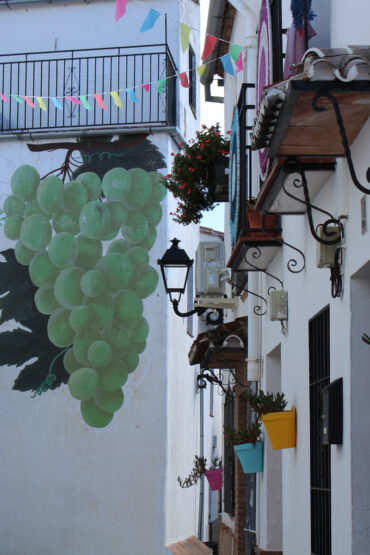
Cartajima preserves its Islamic layout of narrow, winding streets, but at its heart it hides an intriguing group of houses with 18th-century facades. These homes, located on Francisco Rodríguez Street, reflect the prosperity the village experienced during that period, driven by vine cultivation and, above all, by the extraction of iron ore that supplied the boiler industry of Jimena de la Frontera. This economic boom caused the municipality to exceed 1,500 inhabitants, earning it the nickname “Cádiz el Chico,” comparing it to the great city for its unexpected vitality.
In those years, Cartajima had a master carpenter, a doctor, and a notary—something exceptional for a small mountain village. Today, this white corner of the Genal Valley still preserves that balance between history and simplicity, a reflection of a past more prosperous than its size might suggest.
Water: Treasure of the Mountains
The Fountains of Cartajima
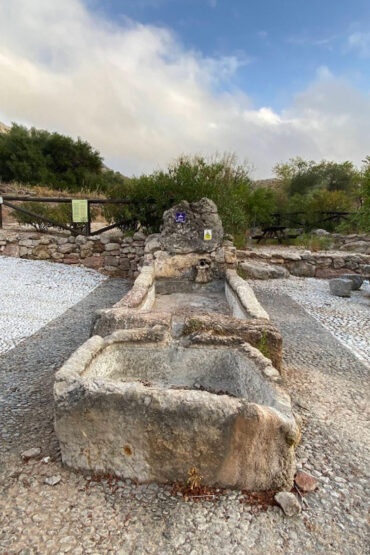
Water was the origin of villages, and fountains were basic infrastructures for the paths traveled daily by muleteers, shepherds, travelers, and even bandits. Men and women often did not travel alone. They did so on the backs of animals or accompanying herds of thirsty sheep or goats that depended on the watering troughs attached to the fountains. The fountains were therefore very busy places where life bustled.
El Pilar Fountain
Intersection between the Arroyo del Riachuelo and the livestock trail that links Estepona with Ronda.
Ayón Fountain
El Pozo Fountain
La Chaparreta area.
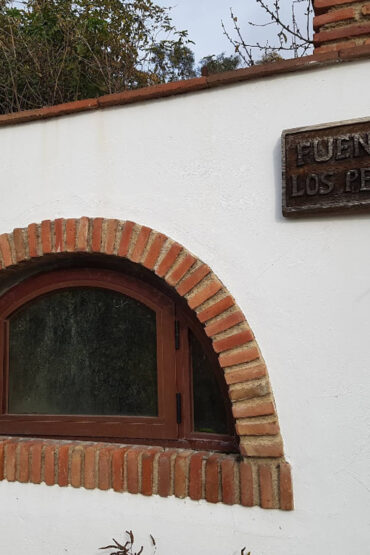
Fountain of the Fish
Arroyo Blanco path between Cartajima and Alpandeire.

 17°C
17°C