History of Cartajima
From Andalusí Enclave to White Village
Ancient origins and Andalusí period
Cartajima has had human presence since Protohistoric and Roman times, as evidenced by funerary remains and roads discovered in “Las Peñuelas” and the Cortijo del Ratón. During the Arab period (8th to 15th centuries), the settlement took shape under the name Xaritalxime, remaining a small rural community. From this era, the construction of the Pozo Fountain—of Arab origin—stands out.
Reconquest and Early Modern period
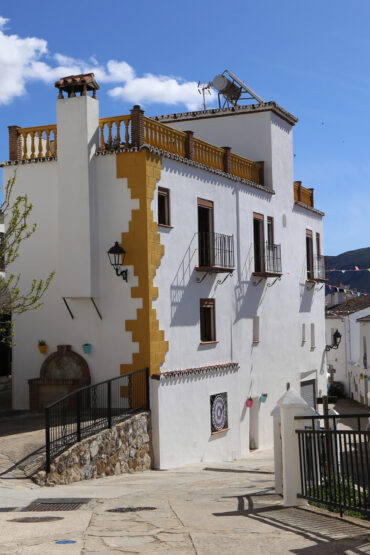
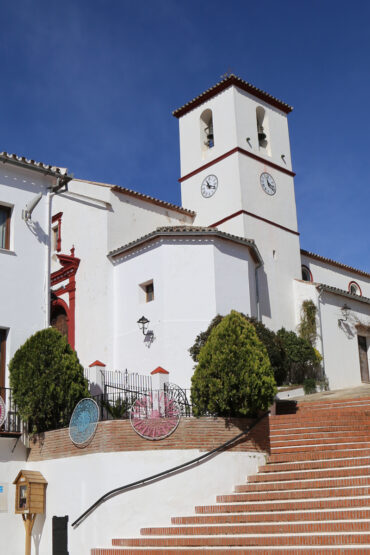
After the Reconquest in 1487, Cartajima came under Christian rule. Between the 16th and 18th centuries, its main historic buildings were constructed, such as the Church of Our Lady of the Rosary and numerous houses with 18th-century Castilian-style façades.
During the 18th century, the village experienced a period of prosperity: its population exceeded 1,500 inhabitants, devoted to vine cultivation, artisanal production and the working of iron from nearby mines. It was also during this time that the village received the nickname “Little Cádiz.”
From prosperous town to declining village
In 1814, Cartajima received the official title of Villa granted by King Ferdinand VII. However, at the end of the 19th century, the phylloxera epidemic destroyed its vineyards, triggering a long period of economic crisis and depopulation that continued throughout the 20th century.
Despite economic stagnation and migration toward urban areas, the village preserved its traditional urban layout and historical heritage, including the Church of Our Lady of the Rosary. During the Civil War, the original image of the Virgin of the Rosary was lost and later replaced.
Recovery and rural development
In the last two decades, the municipality has undergone a process of recovery:
Restoration of the Pozo Fountain, modernization of the Town Hall and creation of new social spaces such as a gym, youth centre and multi-purpose hall.
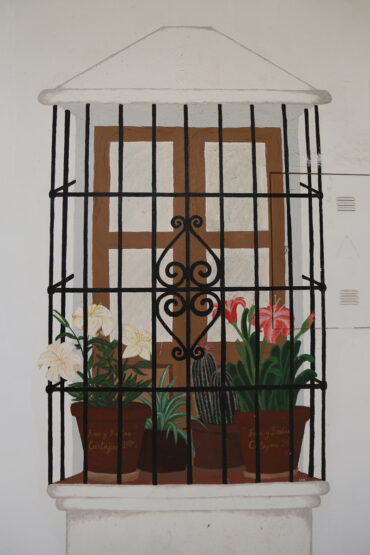
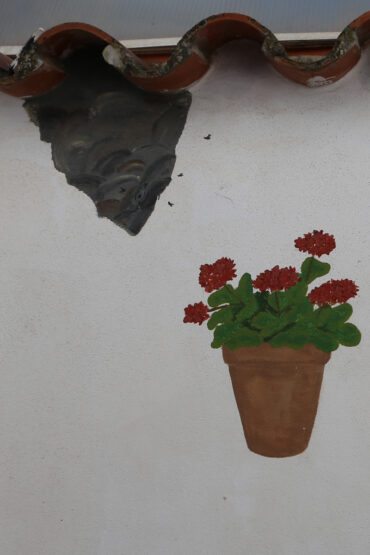
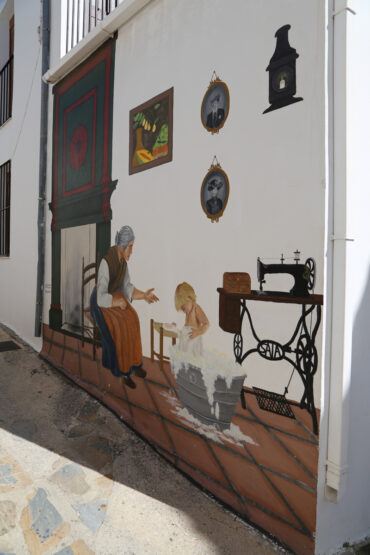
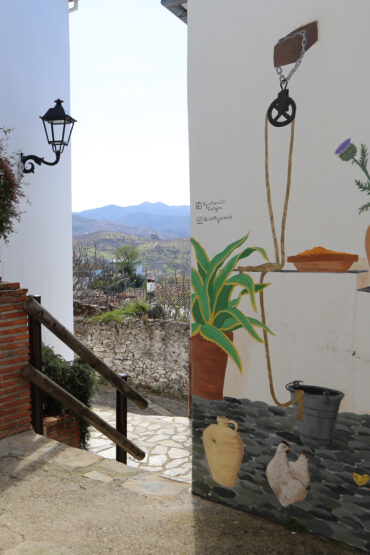
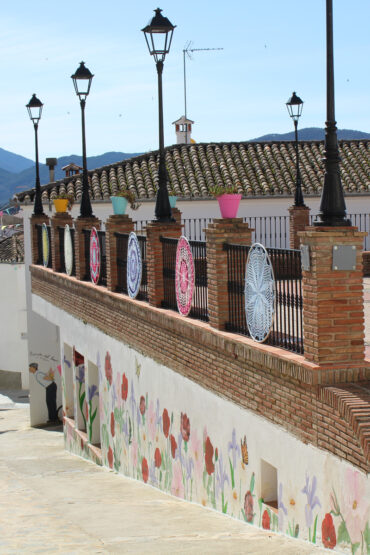
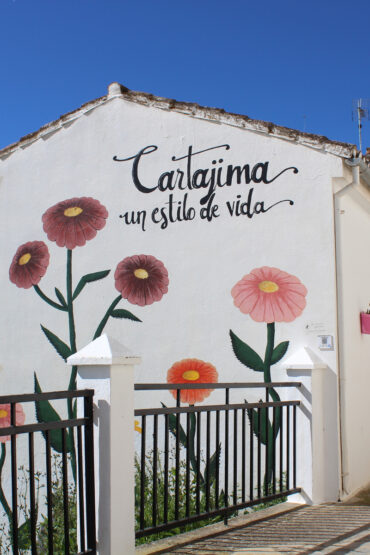
Boosting rural tourism through artistic mural projects, hiking trails and the revitalization of the historic centre.
Revival of traditional festivities such as the Romería del Niño Jesús and the Cata de Mosto, which attract thousands of visitors.
Approval of the new Basic Urban Planning Plan to guide the village’s growth.